
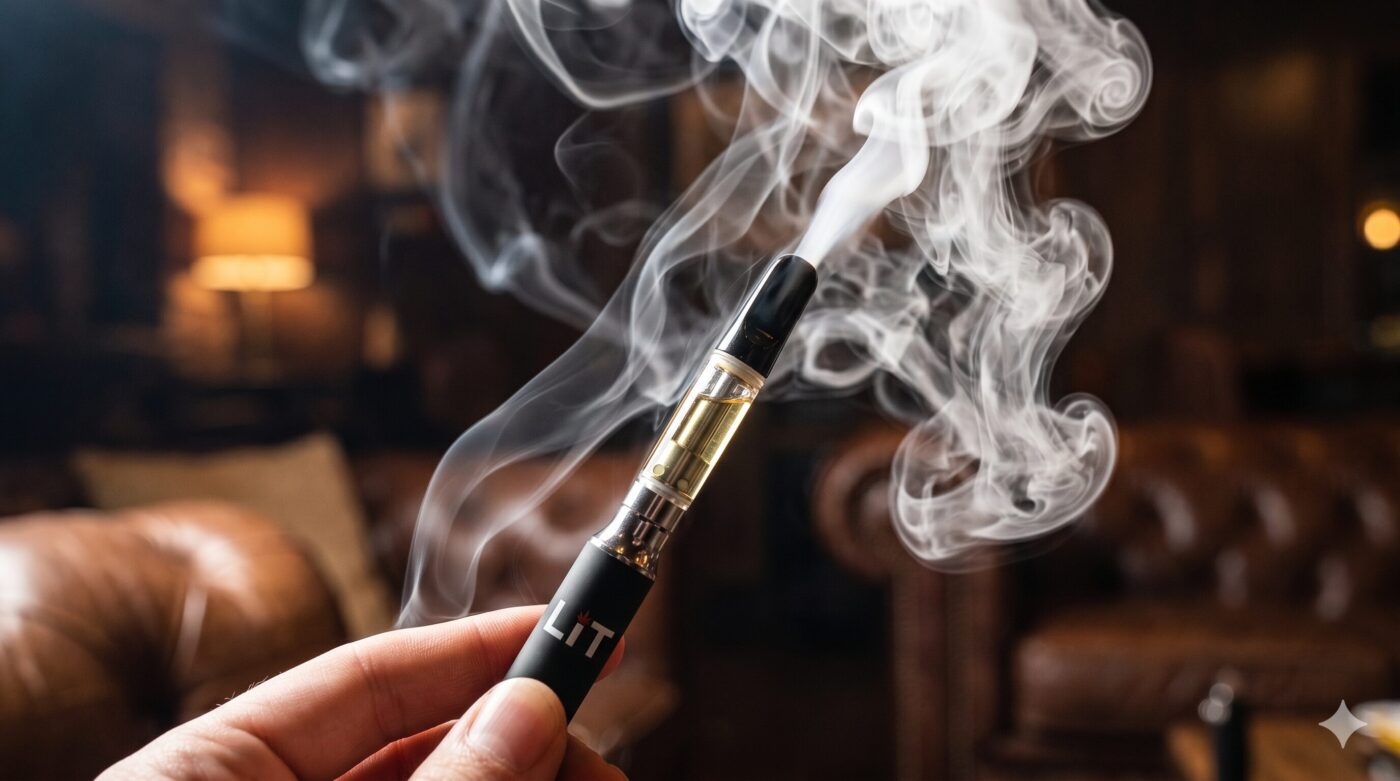
If you have spent any time shopping for THC vape pens online in Canada, you have probably seen the phrase “CO2-extracted” used as a selling point. LiT Vape Pens uses CO2 extraction for every product in the catalogue and has since 2019. But what does it actually mean, why does it produce a better product, and what are the alternatives that cheaper brands are using instead?
This post explains it plainly. No chemistry degree required.
How Cannabis Oil Gets Into a Vape Cartridge
Cannabis contains dozens of cannabinoids — THC, CBD, CBG, CBN, and many others — along with terpenes, which are the aromatic compounds responsible for each strain’s distinctive smell and flavour. To get these compounds into a vape cartridge, they need to be separated from the plant material first. This is the extraction process.
There are several ways to do it, and the method used has a significant impact on what ends up in the final product.
The Three Main Extraction Methods
Solvent-Based Extraction (Butane, Ethanol)
The cheapest and most widely used method in the cannabis industry is solvent extraction. A chemical solvent — typically butane, ethanol, or propane — is used to strip the cannabinoids and terpenes from the plant material. This is fast and inexpensive at scale.
The problem is that chemical solvents leave residues. A purging process is required after extraction to remove the residual solvent from the final oil, and the quality of this purging step varies enormously between producers. Improperly purged extract contains trace amounts of whatever solvent was used. You cannot taste it. You cannot smell it in the finished product. But you are inhaling it every time you take a draw.
Lab testing for residual solvents is the only way to verify this, and not every brand bothers to publish their results.
CO2 Extraction
CO2 extraction uses pressurized carbon dioxide in a supercritical state — a condition where CO2 behaves simultaneously as a liquid and a gas — to pull cannabinoids and terpenes from the plant. No chemical solvents are involved at any stage of the process.
When the pressure is released, the CO2 simply evaporates, leaving behind pure cannabis oil with nothing added and nothing left over. The result is a cleaner extract that retains more of the plant’s original terpene profile and contains no solvent residues.
The equipment required for CO2 extraction costs significantly more than solvent extraction setups. The process is slower and more technically demanding. These are the reasons fewer brands use it — not because it produces a worse result, but because it costs more to do correctly.
Mechanical / Rosin Extraction
Rosin extraction uses heat and pressure to squeeze resin directly from cannabis plant material or hash. It produces a solventless extract but is difficult to scale and is more commonly used for premium concentrate products than for vape cartridges. You will not see this method in the mainstream vape pen market.
What Gets Added to the Oil After Extraction
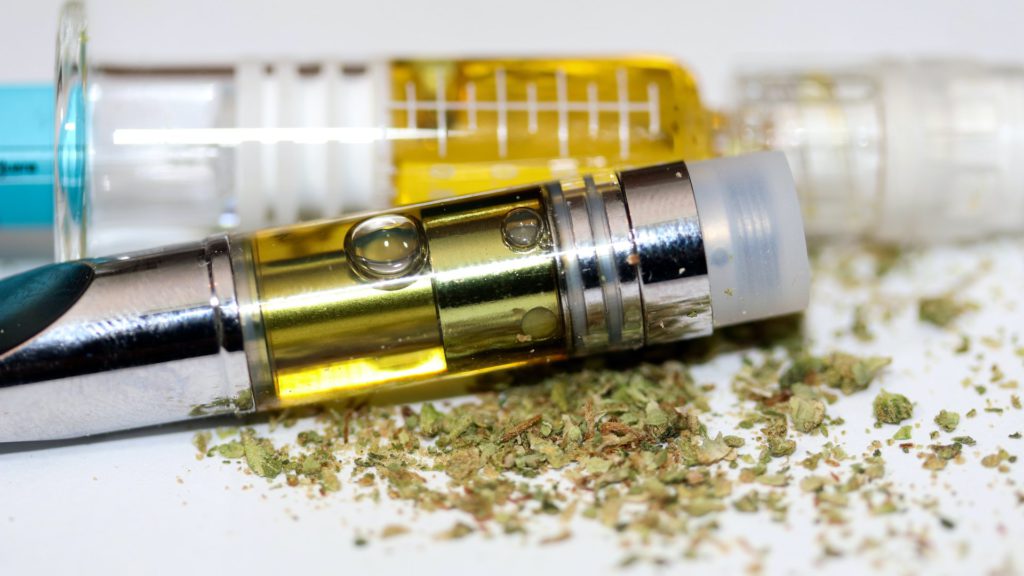
This is where things get important for vape pen buyers specifically. Pure cannabis oil — whether CO2-extracted or solvent-extracted — is thick. Too thick to flow properly through a vape cartridge at room temperature and too thick to produce consistent vapour.
To solve this viscosity problem, many brands add thinning agents. The most common ones you will find in cheaper products are:
MCT oil: A coconut-derived carrier oil commonly used in supplements and food products. It is not inherently dangerous to eat, but inhaling any oil into your lungs is a different matter. MCT oil vapour can accumulate in lung tissue and has been associated with lipoid pneumonia in heavy users.
Propylene Glycol (PG) and Vegetable Glycerin (VG): Standard components of nicotine vape juice that have been borrowed by some cannabis vape producers. Both are considered safe for ingestion but produce formaldehyde as a byproduct when heated to vaping temperatures.
Polyethylene Glycol (PEG): Another common thinning agent that also produces formaldehyde and acetaldehyde when heated.
Vitamin E Acetate: This became the subject of serious scrutiny after the 2019 vaping illness (EVALI) outbreak in the United States, where it was identified as a primary contributing factor in hundreds of hospitalizations and dozens of deaths. Reputable brands stopped using it. Not all brands have.
LiT uses botanical food-grade terpenes — specifically, the same terpenes that occur naturally in cannabis — to achieve the right viscosity. This preserves the strain’s authentic flavour profile and avoids introducing any compound that does not belong in a cannabis product. No MCT, no PG, no VG, no PEG, no Vitamin E acetate.
Why This Matters More Than THC Percentage
THC percentage has become the primary marketing metric for cannabis products, and it has distorted how people evaluate vape pens. A 90% THC distillate cartridge that contains PEG and MCT oil is not a better product than an 80% CO2 cartridge with botanical terpenes and zero additives. The number on the label tells you one thing. The extraction method and additive list tell you what you are actually inhaling session after session.
Regular cannabis vape users take dozens or hundreds of draws per week over months and years. The cumulative difference between clean oil and oil containing thinning agents and residual solvents is not trivial.
How to Evaluate Any Vape Brand on This Standard
When you encounter any cannabis vape brand online, ask three questions:
First: What extraction method do they use? If they do not say, or if they use vague language like “pure cannabis oil” without specifying how it was extracted, assume it is solvent-based.
Second: What have they explicitly stated is NOT in their oil? A brand that is serious about clean ingredients will name the additives they do not use. “No MCT, no PG, no VG, no Vitamin E acetate” is a specific and verifiable claim. “Natural ingredients” is not.
Third: Do they publish third-party lab results? Any brand confident in their product should have certificates of analysis available that show cannabinoid content and confirm the absence of residual solvents, pesticides, and heavy metals.
LiT uses CO2 extraction, botanical terpenes, and lead-free hardware tested each production batch. Every product is the same standard. That is not a claim made for marketing — it is a production decision that costs more and produces a meaningfully different result for the person inhaling it.
The Bottom Line
CO2 extraction is not a marketing buzzword. It is a specific process that costs more, requires more sophisticated equipment, and produces cannabis oil with no solvent residues and a fuller terpene profile than cheaper extraction methods. Combined with the absence of thinning additives, it is the standard that every cannabis vape product should be held to.
Most products in the Canadian grey market do not meet this standard. LiT does, consistently, on every product in the catalogue.
Browse LiT’s full refill cartridge range — 30+ strains from $29. Or start with a complete starter kit from $39. Free shipping on orders $149+. Discreet plain packaging. Must be 19+ to purchase.
Related LiT guides.
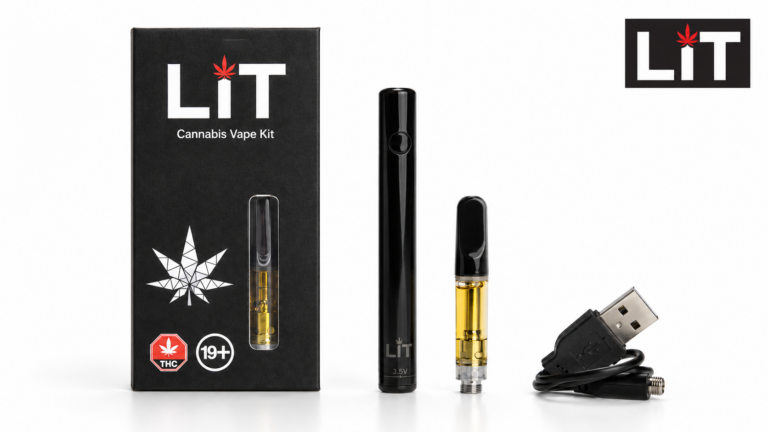
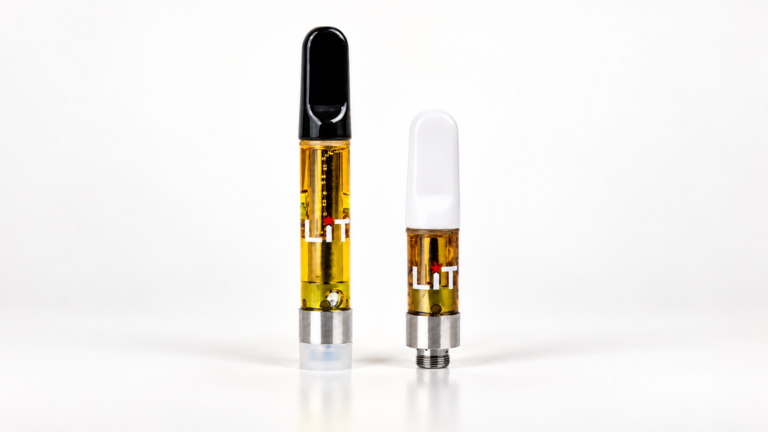
Turn the guide into a confident choice.
Compare LiT cartridges, reusable kits and disposable pens, or contact the team if compatibility is still unclear.