
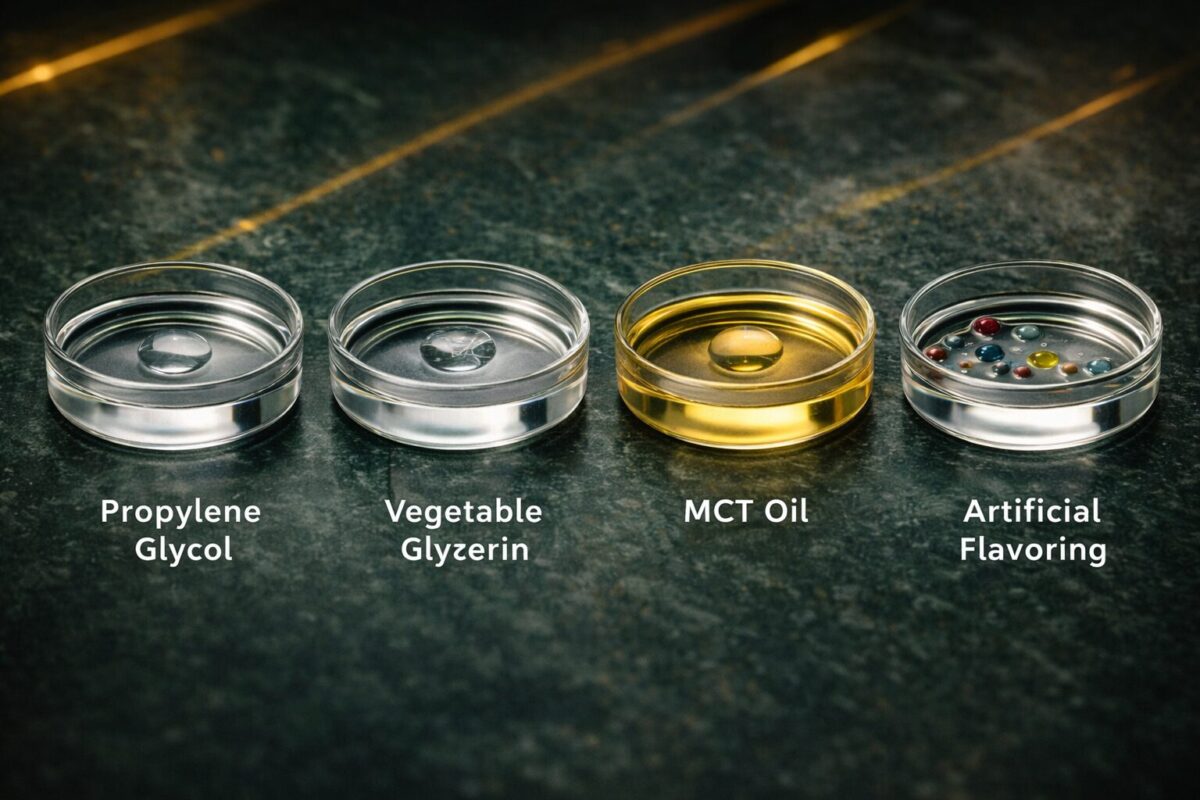
The cannabis vape industry has a transparency problem. Most brands do not tell you what is in their cartridges beyond the THC percentage and the strain name. What they are not telling you about are the cutting agents , cheap additives used to thin cannabis oil, increase cartridge fill volume, and improve the appearance of vapour production. This post names all four, explains the specific risks of each, and explains why LiT has never used any of them.
Why Brands Add Fillers to Cannabis Oil
Pure CO2-extracted cannabis oil is thick and viscous at room temperature. This creates a practical problem: thick oil does not flow freely through a cartridge, can clog heating elements, and may not vaporize as visibly as users expect. Brands have two options for solving this: use botanical terpenes at higher cost, or add cheap thinning agents that solve the problem economically.
The vast majority of the cannabis vape market chooses the cheap option. The four thinning agents below are widely used, rarely disclosed on labels, and associated with real health risks when inhaled repeatedly. You have likely consumed at least one of them if you have ever bought a cannabis vape from a brand that does not explicitly confirm their absence.
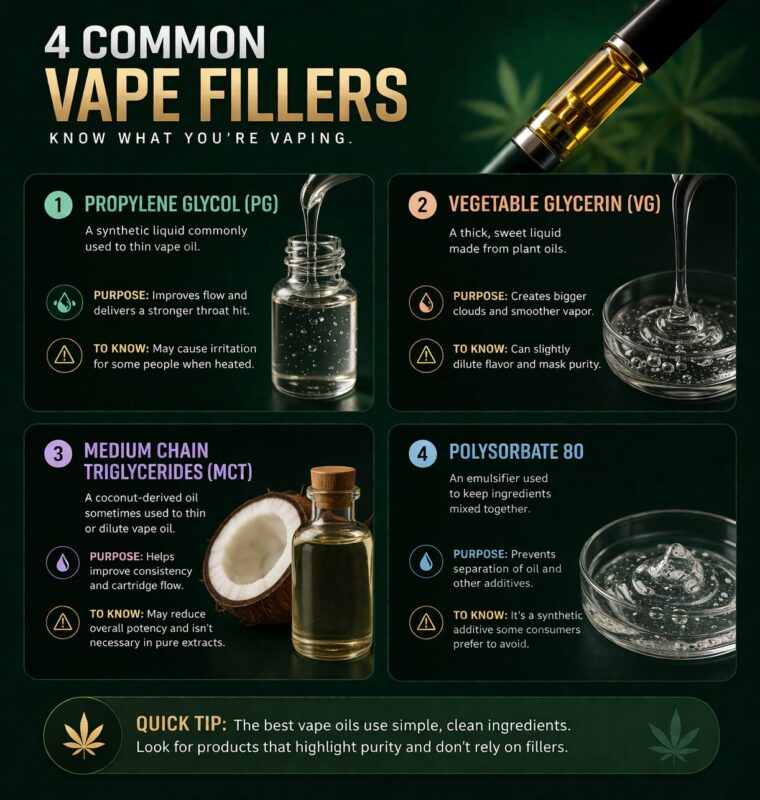
1. MCT Oil , The Lipoid Pneumonia Risk
MCT oil stands for medium-chain triglycerides , a coconut-derived oil used in cooking, sports nutrition, and health supplements. It is completely safe to eat. The problem is that your lungs are not equipped to process oil the same way your digestive system is.
When oil droplets are inhaled and deposited in lung tissue repeatedly over time, they can cause a condition called lipoid pneumonia. The body cannot break down inhaled lipids efficiently, leading to progressive inflammation, reduced lung capacity, and symptoms including chronic cough, shortness of breath, and chest tightness. Lipoid pneumonia from inhaled oils is a documented medical condition with a growing body of case literature specifically linked to vaping habits.
MCT oil is one of the most commonly used cutting agents in the Canadian grey market vape space precisely because it is colourless, tasteless, and inexpensive. Its presence in a cartridge is invisible to the user.
2. Propylene Glycol (PG) , Aldehyde Byproducts When Heated
Propylene glycol is a synthetic compound used in food products, pharmaceuticals, and nicotine vape juice. It has been approved as food-safe by regulatory agencies worldwide. The complication arises when PG is heated to the temperatures involved in vaping.
At typical vaping temperatures , 200 to 250 degrees Celsius depending on the device , propylene glycol undergoes thermal degradation and produces formaldehyde and acetaldehyde. Both are classified as carcinogens. The concentrations produced vary with temperature and device power, but the relationship is well-established in the scientific literature on e-cigarette safety.
PG was designed for nicotine e-cigarettes where it provides the “throat hit” sensation users seek. Its adoption in cannabis oil cartridges was opportunistic , it was available, effective as a thinner, and the safety implications for cannabis-specific use were not fully considered before it became widespread.
3. Vegetable Glycerin (VG) , The Cloud-Making Agent with a Hidden Cost
Vegetable glycerin is a natural compound derived from plant oils, also borrowed from the nicotine vaping industry where it is used to produce the large, visible vapour clouds associated with high-end nicotine devices. It is considered food-safe and is used in cosmetics, food products, and pharmaceuticals.
Like PG, VG undergoes thermal degradation at vaping temperatures. The primary byproduct of concern is acrolein , a highly reactive compound used as a chemical weapon in World War I that is now studied as a respiratory irritant. Acrolein causes oxidative stress in lung tissue and has been linked to respiratory inflammation and chronic obstructive pulmonary disease in long-term exposure studies.
VG creates a perverse market dynamic: the thick, satisfying vapour clouds it produces are interpreted by many users as a sign of quality and potency. In reality, dense clouds from a VG-cut cartridge may indicate a compound associated with lung irritation rather than a better cannabis product.
4. Vitamin E Acetate , The EVALI Connection
Vitamin E acetate is a synthetic form of vitamin E used as a thickening agent and supplement carrier. It looks and behaves very similarly to cannabis oil at room temperature, which made it attractive to unscrupulous producers who used it to increase apparent cartridge volume at minimal cost.
In 2019, the United States experienced an outbreak of severe vaping-related lung injuries that became known as EVALI , E-cigarette or Vaping product use-Associated Lung Injury. Between 2019 and 2020 the outbreak resulted in over 2,800 hospitalizations and 68 confirmed deaths. The CDC investigated the outbreak extensively and identified Vitamin E acetate as the primary cause in the majority of cases.
The mechanism of harm is specific: when inhaled, Vitamin E acetate interferes with the pulmonary surfactant system , the thin layer of compounds that lines the alveoli and allows the lungs to function properly. Disrupting this system causes chemical pneumonitis, rapid respiratory failure, and in severe cases death. The onset of symptoms can be delayed by weeks or months after exposure, making it difficult for victims to connect their illness to a specific product.
The EVALI outbreak was a US event, but Vitamin E acetate continues to be used by some producers in the global grey market cannabis space. There is no systematic testing program for grey market Canadian cannabis products that would identify which specific cartridges contain it.
LiT’s Position
LiT has never used MCT oil, propylene glycol, vegetable glycerin, or Vitamin E acetate in any product. This policy has been in place since the company was founded in 2019 , it was not adopted in response to the EVALI outbreak or subsequent market pressure. It was a founding decision based on the belief that the people using LiT products daily deserve to know that what they are inhaling is cannabis oil and naturally occurring terpenes, nothing more.
The viscosity problem that leads other brands to use these additives is solved at LiT through the use of botanical food-grade terpenes , the same compounds that occur naturally in the cannabis plant. This approach costs more and requires more careful formulation work, but it eliminates the health concerns associated with all four categories of additives listed above.
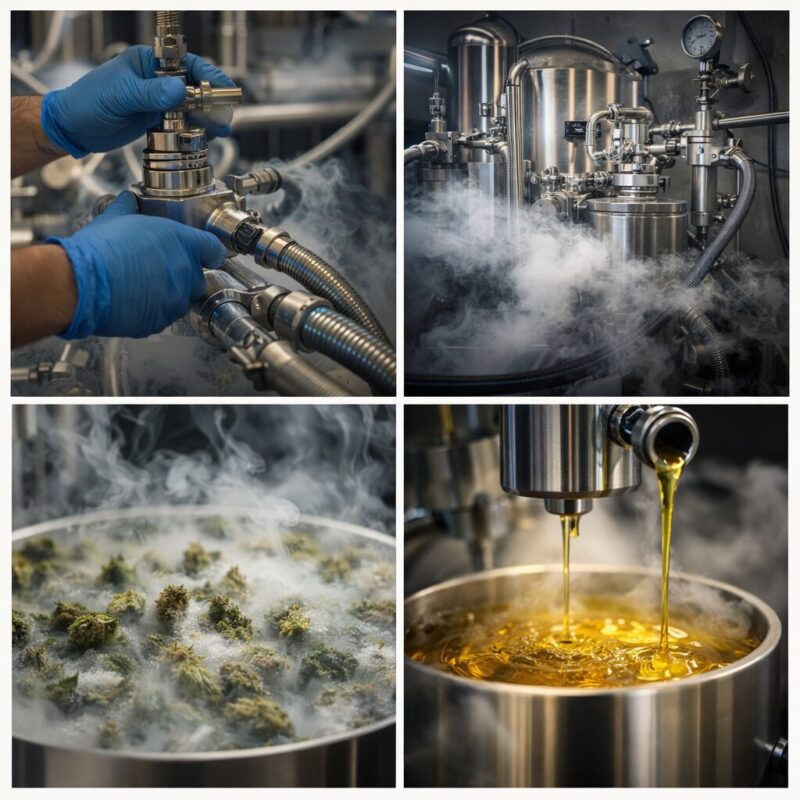
Our CO2 extraction process is equally important. Solvent-based extraction introduces residual chemicals that create their own inhalation concerns. CO2 extraction leaves nothing behind. You can read more about why extraction method matters on our dedicated extraction page.
How to Verify What Is in Your Cartridge
Look for brands that explicitly name what is NOT in their oil. “No MCT oil, no PG, no VG, no Vitamin E acetate” is a specific verifiable claim. “Pure cannabis oil” and “natural ingredients” are not , they say nothing about what else may be present.
Third-party lab testing should include residual solvent testing in addition to cannabinoid potency. Any brand confident in their product should make these results available.
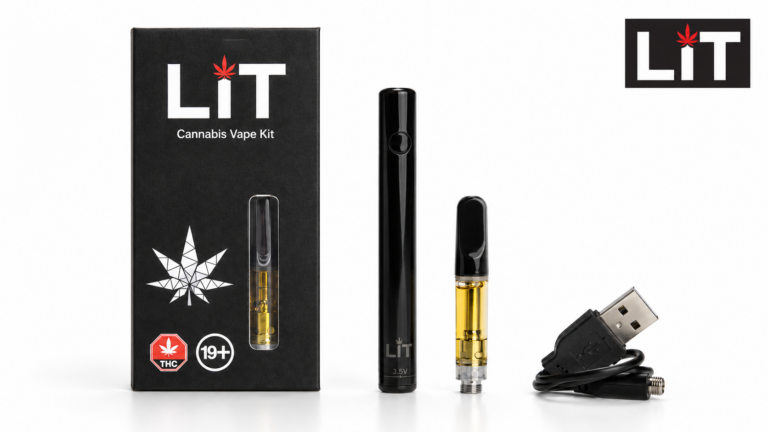
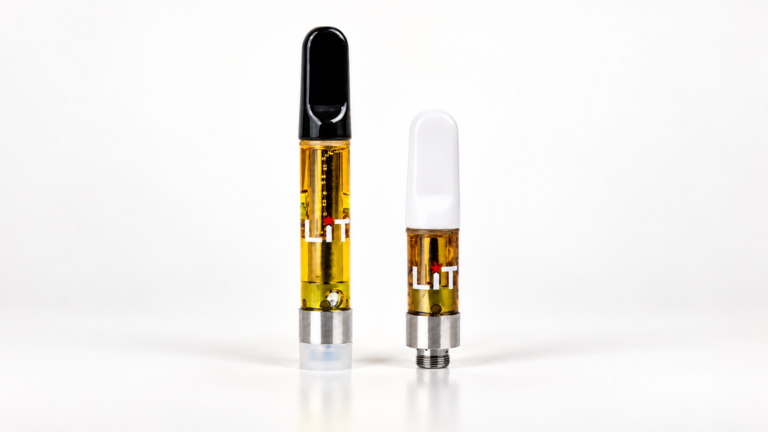
Every LiT product , from our THC refill cartridges starting at $29 to our complete starter kits from $39 , meets this standard. CO2-extracted, zero fillers, lead-free hardware. That is the complete list of what goes into every LiT cartridge.
Free shipping on orders $149+. Discreet plain packaging. Ships to all Canadian provinces and territories. Must be 19+ to purchase.
Related LiT guides.
Turn the guide into a confident choice.
Compare LiT cartridges, reusable kits and disposable pens, or contact the team if compatibility is still unclear.